Respiratory illness is increasing in Gaza, and the World Health Organization warned on November 13 that flooding and colder weather could accelerate its spread. Acute respiratory infections are already 33,000 cases higher than in the same period last year, WHO representative Reinhilde Van De Weerdt told reporters, according to G1/Globo’s account. These infections currently account for 11% of all consultations.
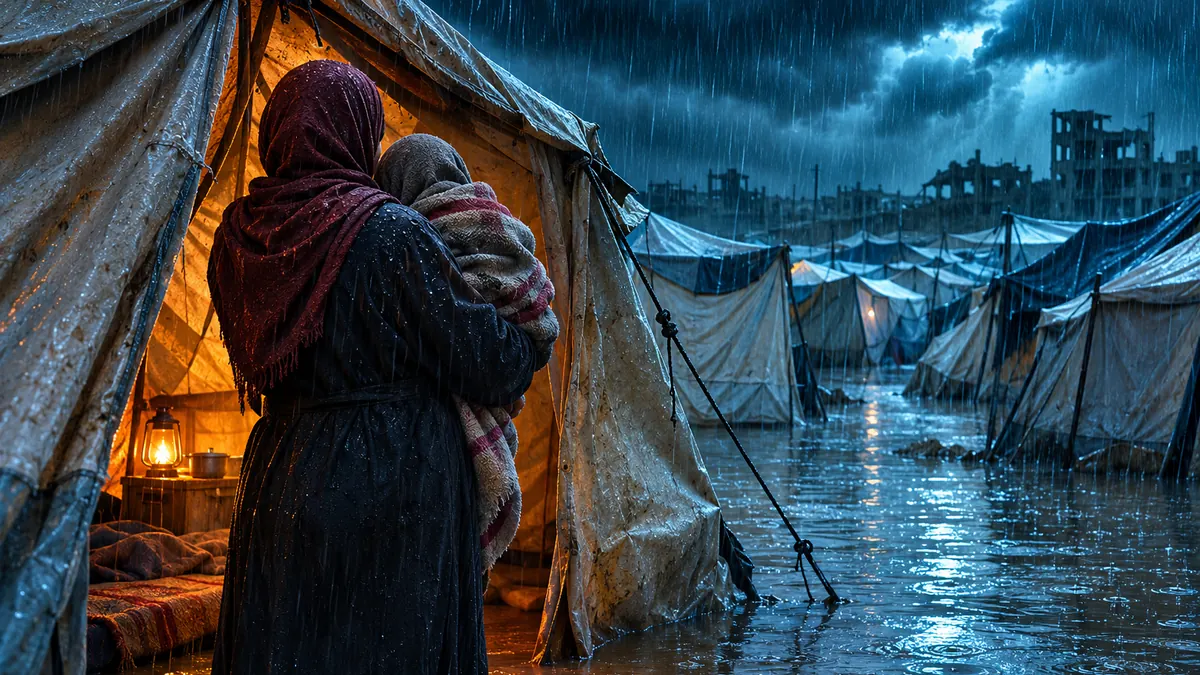
The warning follows heavy rain that flooded tens of thousands of tents sheltering displaced Palestinians. WHO said severe overcrowding and poor living conditions were helping infections spread. According to WHO, residents were being squeezed into an increasingly smaller area as Israeli forces expanded their control, advancing the “yellow line,” a demarcation established under the US-mediated October ceasefire.
The account also included Israel’s previously stated preparations for the rains. Cogat, the Israeli military agency coordinating humanitarian assistance, said the previous week that it had intensified efforts to improve sanitation with international organizations. Israeli forces and Cogat did not immediately respond to Reuters’ request for comment on the latest concerns. That earlier statement does not establish whether the preparations have reduced the health risks WHO described.
Nearly one million displaced people live in flood-exposed areas, including 400,000 in locations WHO considers at extremely high risk. The agency warned that flooding could contaminate water, while standing water creates breeding sites for mosquitoes and other pests. Damp shelters also encourage mold and bacterial growth, adding to respiratory health concerns, particularly for young children. WHO expects cold, overcrowding and poor ventilation to increase infections further, but the supplied report gives no numerical forecast for the coming months.