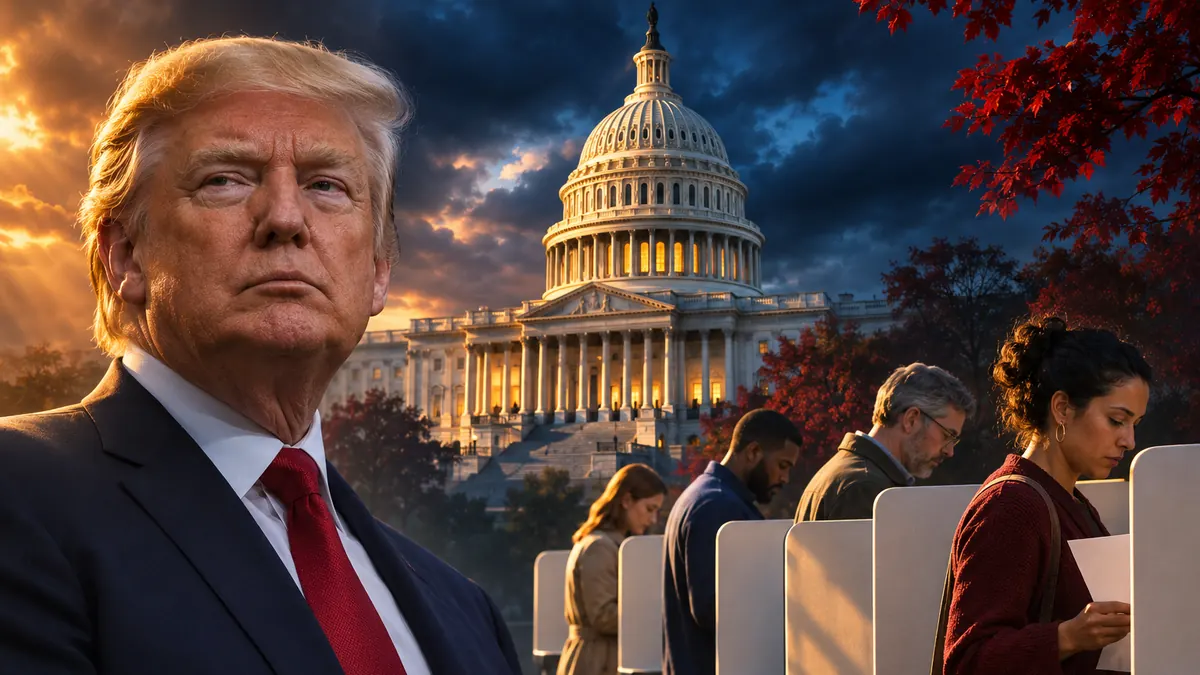
Voting began in parts of the United States on November 3, 2026, with all 435 House seats and 35 of the Senate’s 100 seats being contested, Al Jazeera English reported. Vermont, New Jersey, Virginia, Connecticut and Kentucky were among the first states to open polls; voting hours vary by state.
Republicans enter the election holding 53 Senate seats, against 47 held by Democrats and independents aligned with them. Their House majority is four seats. Those margins put control of both chambers at stake, with the outcome potentially changing the political conditions for Trump’s remaining two years in office.
Democrats have made living costs and opposition to Trump’s war on Iran central campaign issues. Al Jazeera described expectations of Democratic gains, while reporting that conservative candidates were relying on committed supporters and distrust of progressive politics. Those expectations remain untested by election results.
Early voting exceeded 57 million ballots, with heavy participation reported in Georgia, Michigan, North Carolina, Ohio and Texas. Michigan also saw a cross-party endorsement: Haley Stevens, defeated in August’s Democratic Senate primary, backed Republican Mike Rogers over Democratic nominee Abdul El-Sayed on November 1.