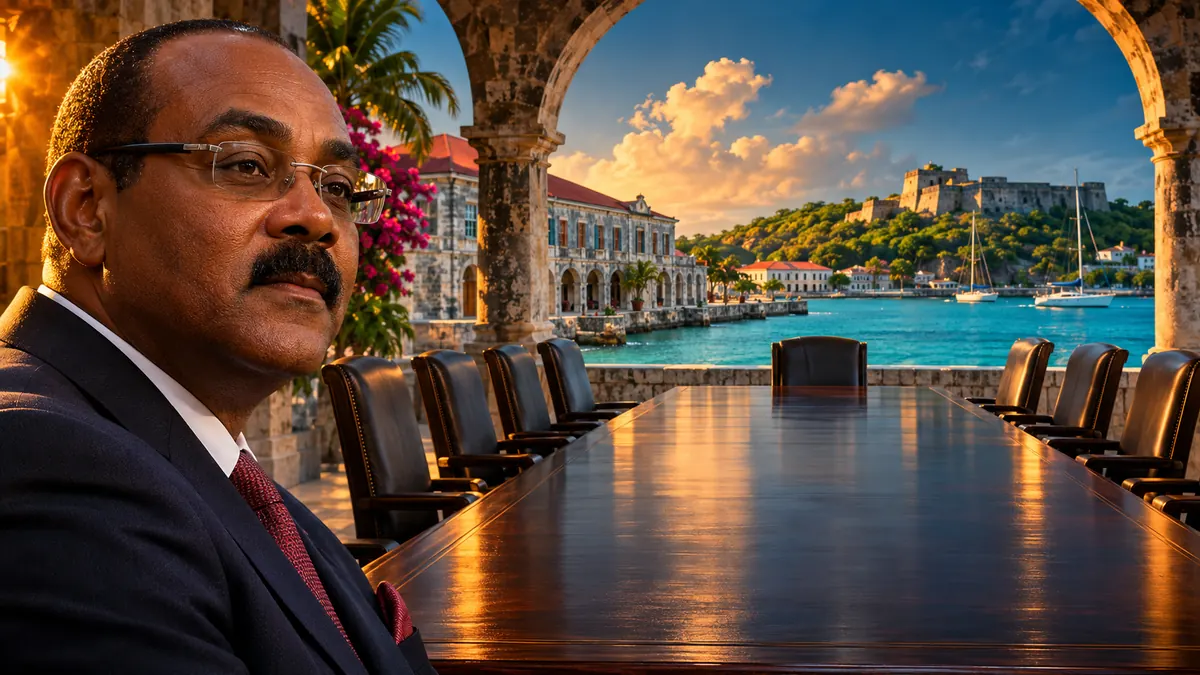
Britain and Caribbean governments expect to begin structured talks within the next 12 months over the legacy of slavery, Antigua and Barbuda’s prime minister, Gaston Browne, said, according to the Guardian. Following discussions at the Commonwealth summit, Browne said governments had reached agreement on proceeding with dialogue. He anticipated that its framework would be established by the end of 2026 or early in 2027.
The agreement concerns a process, while the central policy dispute remains unresolved. UK prime minister Andy Burnham had announced his support for talks and openness to a British apology, but ruled out reparations. He instead proposed discussions about debt resets for smaller Commonwealth countries and pledged £40m for Caribbean infrastructure over three years. Browne said Caribbean governments would raise reparations during the dialogue despite Britain’s stated position.
The Caribbean Community reparations commission’s 10-point plan seeks debt cancellation and monetary compensation, making the distinction between cancelling and restructuring debt significant. Ralph Gonsalves, a former prime minister of St Vincent and the Grenadines, told the Guardian that development support could not substitute for reparatory justice. He argued that assistance covering education, health and climate infrastructure also falls within existing international development commitments and remains discretionary.
The planned framework will therefore have to accommodate governments with different expectations about the talks’ scope. Browne expressed optimism about reaching agreement, but the report identifies no British commitment to compensation or debt cancellation. Labour MP Bell Ribeiro-Addy also argued that affected communities must help determine reparative arrangements. Whether those communities will have a formal role, and whether Britain will reconsider its exclusion of reparations, remain unresolved.