Rio Tinto has agreed to contribute US$250 million towards repairing environmental damage at the abandoned Panguna copper and gold mine on Bougainville, The Guardian reported on 17 November. The voluntary commitment follows consultations with landowners and government and will support the move from assessing hazards to implementing remedies. It will not cover the full cost of rehabilitating the site.
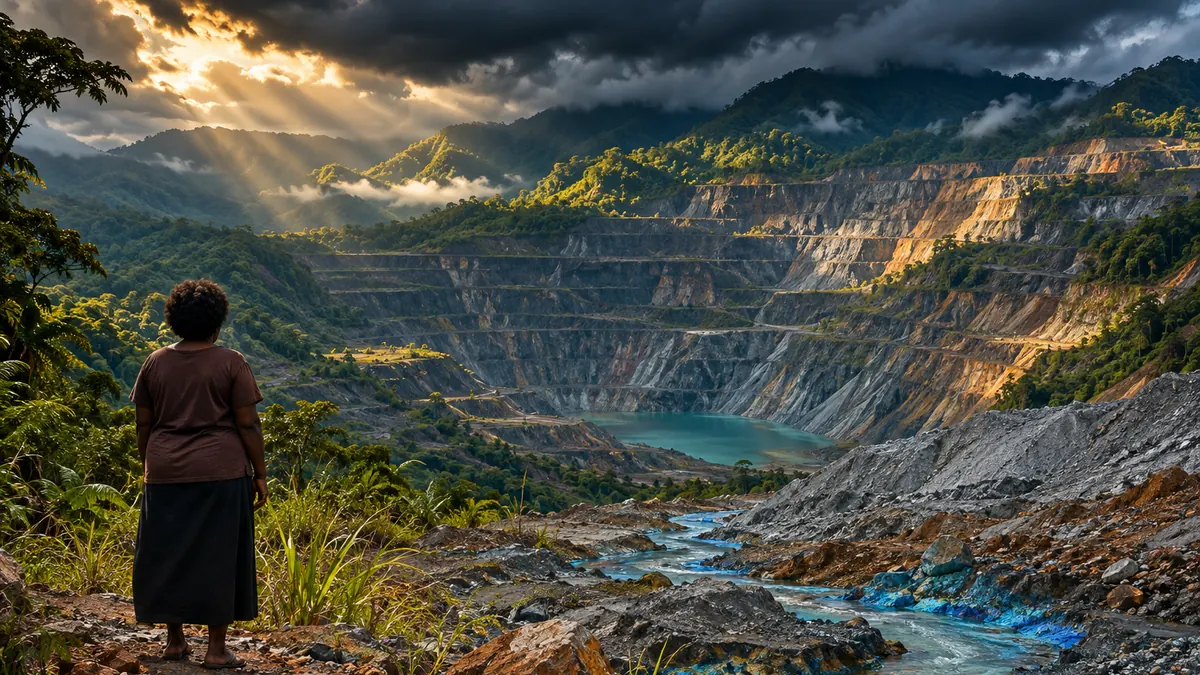
Panguna closed in 1989 following a sabotage campaign rooted in disputes over environmental destruction and the distribution of mining profits. The Papua New Guinean government’s intervention was followed by a decade-long civil war. More than three decades after closure, polluted waterways and unstable waste remain dangerous. An environmental assessment cited by The Guardian identified threats from landslides, collapsing levees and floods, and found that the river delta would remain polluted for a century without intervention.
The funding emerged from the Panguna Mine Legacy Impact Assessment process, initiated after a human rights complaint brought by the Australian-based Human Rights Law Centre. Lead complainant Theonila Roka Matbob, a former Bougainville cabinet minister and community leader, identified safe drinking water and bridges connecting residents to schools, healthcare and markets as urgent priorities. Rio Tinto said further community engagement would help determine which activities the fund supports; the report did not provide a construction timetable.
The commitment also comes amid plans to revive mining as a source of revenue for Bougainville’s proposed independence. Indian miner Lloyds has received a 25-year mining lease, although operations remain years away. In the island’s 2019 referendum, 97.7% voted for independence, but recognition remains before Papua New Guinea’s parliament. The cleanup fund begins addressing existing damage while both renewed extraction and Bougainville’s political future remain unresolved.