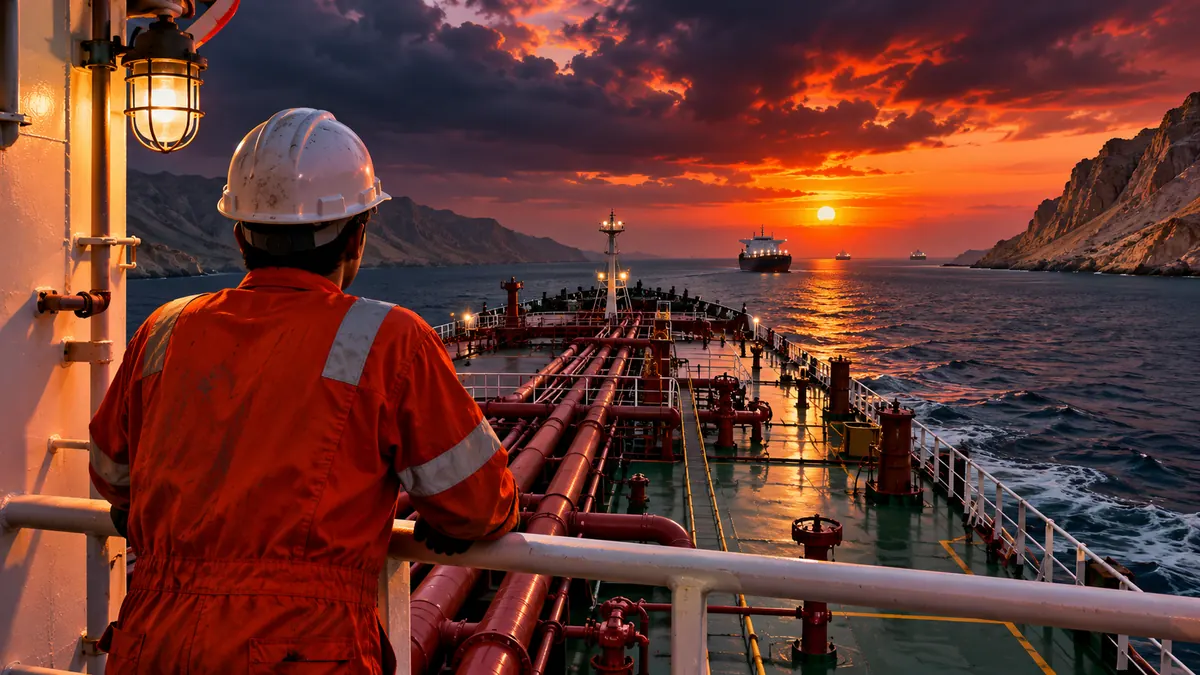
The International Energy Agency has warned that disruption to shipping through the Strait of Hormuz has created the largest energy security threat in history. In its annual World Energy Outlook, released on November 19, the agency said consumers were increasingly absorbing the impact through higher prices as other safeguards ran down, France 24 reported.
The crisis followed US and Israeli strikes on Iran in February. Iran subsequently blockaded the strait and targeted tankers in the area, disrupting exports from Gulf producers. Before the crisis, the channel carried about one-fifth of global oil shipments. US efforts to escort vessels through it have not ended the severe disruption to supply routes.
IEA Executive Director Fatih Birol said producers had brought more supply to market and used alternative routes, while China had bought less from international markets. Governments had also intervened to shield households, he said, but consumers had nevertheless encountered higher prices and, in some cases, shortages. In July, Birol had described the oil market as still benefiting from several cushioning factors.
The outlook includes two additional scenarios examining what could happen if the Middle East crisis continues. Under its central scenario, based on stated government policies including measures not yet adopted, global oil demand peaks around 2030 before declining slowly, while gas demand rises until around 2035. The agency warned that the longer the crisis lasts, the deeper its effects will be.