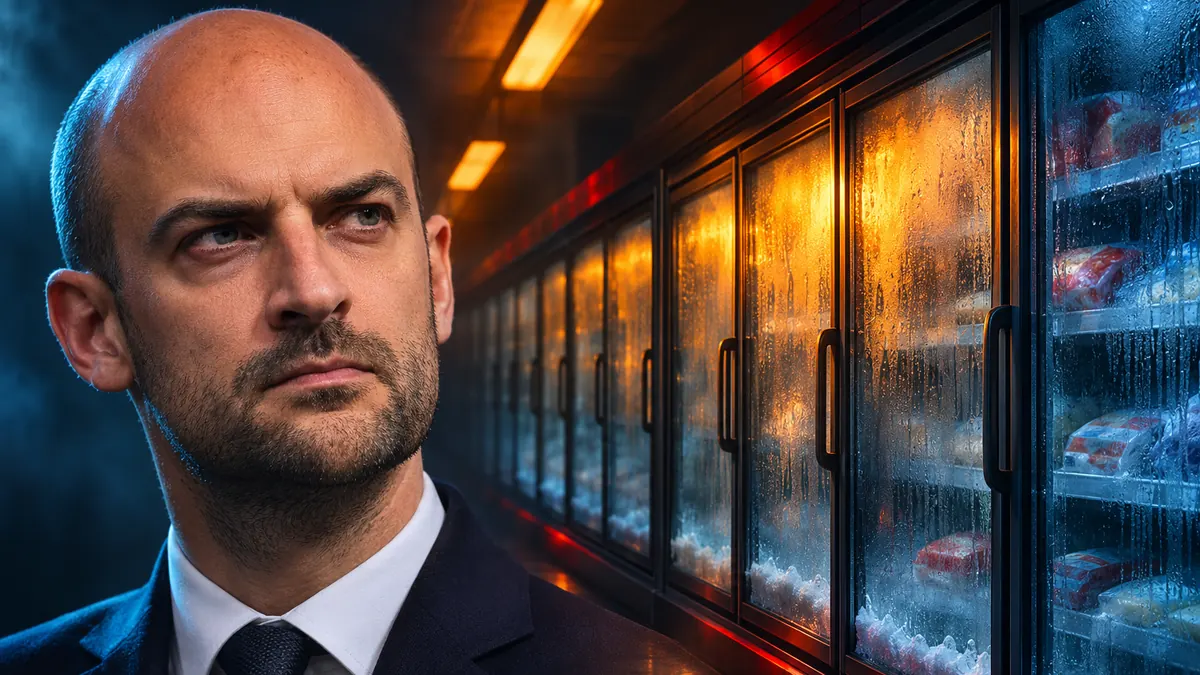
France publicly attributed October’s supermarket refrigeration cyberattacks to Iran’s Islamic Revolutionary Guard Corps on 9 November, bringing a diplomatic response to the disruption of food storage systems. Foreign Minister Jean-Noël Barrot said European sanctions would target those responsible, according to the Guardian. His accusation concerned attacks on French supermarkets on 11 and 12 October; the report did not describe sanctions as already imposed.
The attacks interfered with software controlling refrigeration temperatures. BBC News reported that more than 100 Coopérative U supermarkets and 180 Intermarché and Netto stores were affected, with spoiled fresh and frozen food estimated to be worth millions of euros. Some refrigerator temperatures reportedly reached 50C overnight. The attribution adds an allegation of state responsibility to an incident whose commercial consequences were already apparent.
France 24 and the BBC also reported a judicial investigation involving Shahid Kaveh, a cyber unit that Paris prosecutor Laure Beccuau described as affiliated with the Guards’ electronic and cyber centre. The investigation covers its head and two deputies. France 24 additionally reported that prosecutors had requested international arrest warrants against the unit’s leader. These accounts describe French authorities’ allegations rather than independently establishing who conducted the attacks.
The Guardian reported that a subsequent wave affected more than 100 establishments across Europe, including French blood storage facilities, where employees transferred some blood to other refrigeration units. The BBC said it was unknown whether the October attacks and later incidents were linked. Iran’s UN mission had not answered requests for comment, according to the Guardian. Responsibility for the later wave therefore remains unresolved in the supplied reporting.