Global carbon dioxide emissions from fossil fuels could fall by 0.4% in 2026 to 38.2 billion tonnes, according to the Global Carbon Budget findings reported by G1. The estimate remains uncertain: researchers calculate a range stretching from a 1.5% decline to a 0.6% increase. Meanwhile, emissions including land-use changes are projected to rise from 42.8 billion tonnes in 2025 to 43.3 billion in 2026.
Oil accounts for the largest projected fossil fuel reduction, with emissions expected to drop 1.9%, partly because of the energy market shock caused by the war in Iran. Gas emissions are forecast to fall 0.3%, while coal emissions increase 0.6%. Researchers caution that temporary declines during previous crises, including the pandemic and the 2008 financial crisis, were followed by renewed growth. A single annual decrease therefore does not establish a lasting peak.
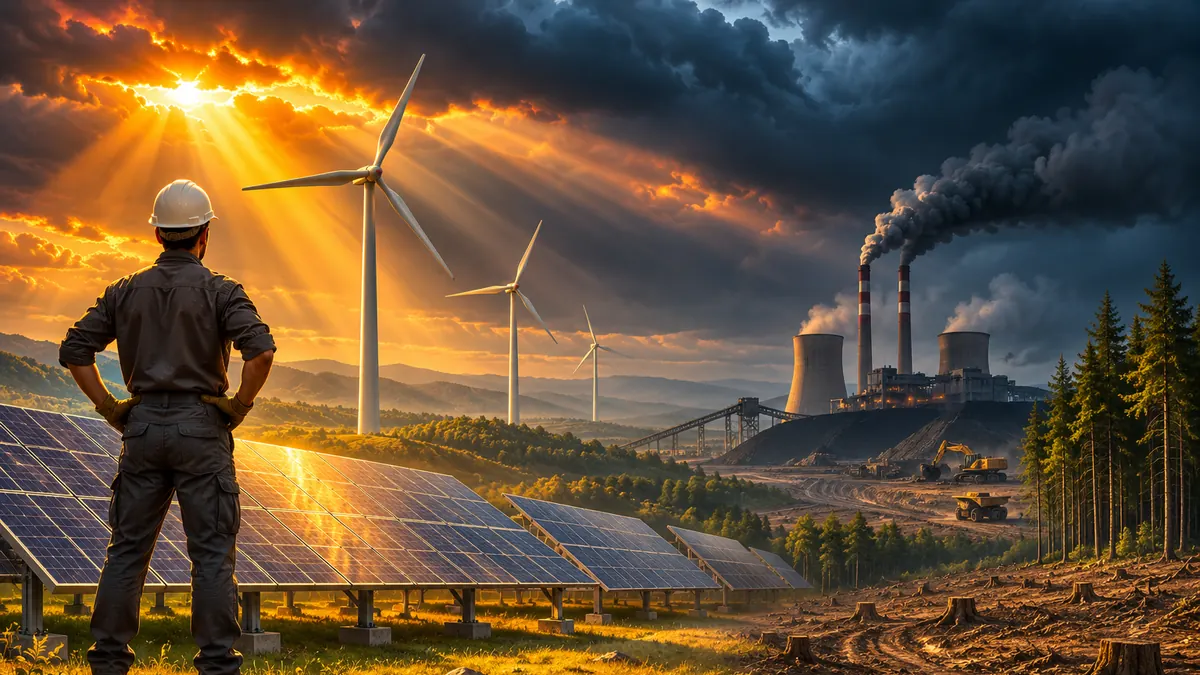
Solar power, wind energy and electric vehicles are expected to avoid about 500 million tonnes of CO2 emissions in 2026, the report estimates. That offsets roughly two-thirds of the additional emissions otherwise associated with growing global energy demand. But increasing emissions from deforestation and other land-use changes could outweigh the fossil fuel decline. Brazil accounted for 28% of global net land-use CO2 emissions on average during 2016–2025, compared with about 1.3% of fossil fuel emissions in 2025.
The report estimates a remaining carbon budget of about 150 billion tonnes for a 50% chance of limiting warming to 1.5°C above preindustrial levels—less than four years at current emission rates. Whether fossil fuel emissions actually decline in 2026 remains unresolved, and sustained reductions would still be needed beyond any temporary disruption to energy consumption.