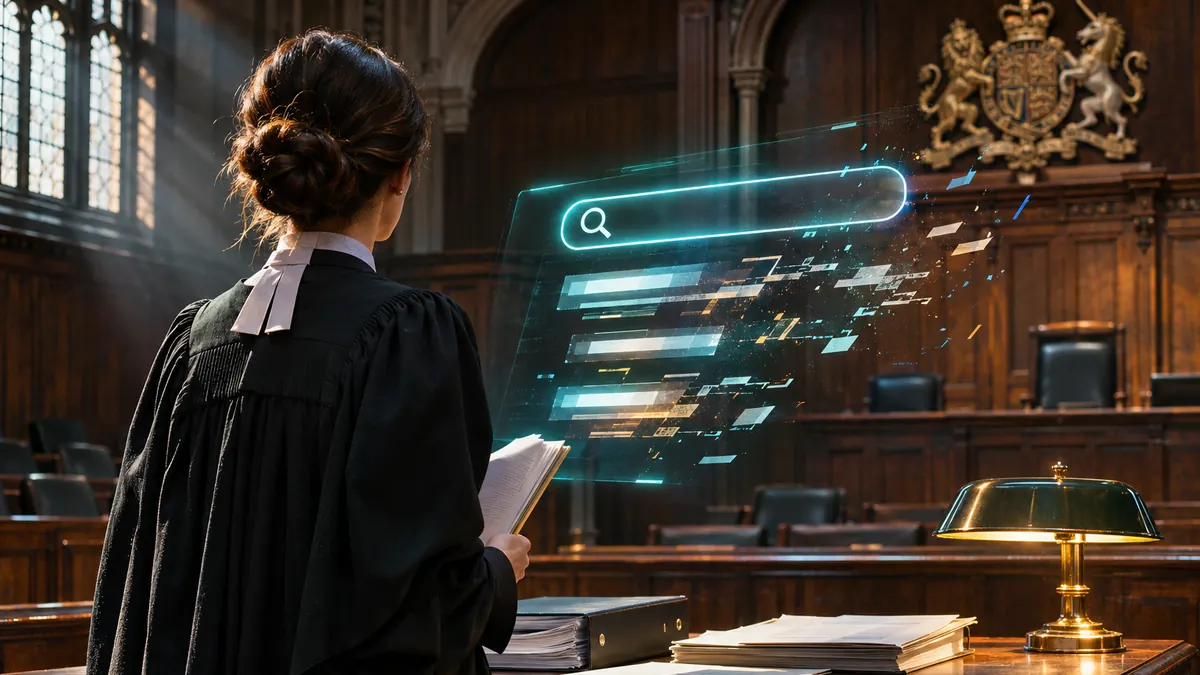
A senior prosecutor submitted a nonexistent legal authority while defending a decision to prosecute a child accused of raping his younger sister, the Guardian reported on 3 November. The newspaper understands that an AI-generated summary returned during an internet search supplied the fictional case.
Ravinder Dhillon, a Crown Prosecution Service prosecutor, cited the supposed precedent during a high court challenge brought by lawyers for the boy. He was 11 at the time of the alleged offence; his sister was seven. His lawyers argued that prosecutors had failed to consider representations from social workers, youth workers and a forensic psychologist.
Dhillon acknowledged the citation error in October, saying she had intended to refer to a real decision from 15 years earlier. Two senior judges described her explanation as unsatisfactory. The court said the fictional authority did not affect the outcome of the challenge. The prosecution remained scheduled for trial in the youth courts later that week.
The CPS said its AI policy requires human accuracy checks and bars using the technology to make legal decisions. It said an internal review followed the discovery and staff were reminded to use trusted legal sources. The incident follows another CPS case disclosed in February involving nonexistent authorities, highlighting the verification burden created by plausible but fabricated AI output.